
10 Truths About Mould: What Every Homeowner Should Know
Thursday, September 10, 2026
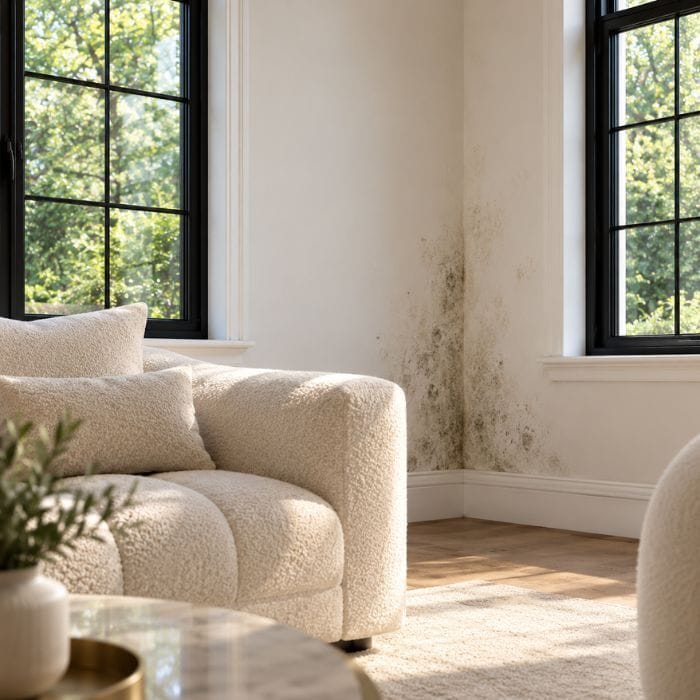
Mould is one of the most misunderstood problems affecting homes and buildings. Often treated as a simple cleaning issue, it can actually be a sign of underlying moisture problems, inadequate ventilation or hidden building defects.
Preventing mould requires more than removing visible growth. It means understanding why it develops, identifying the conditions that allow it to thrive and taking the right measures to prevent its return.
At Marbellambiental, we believe that a healthy indoor environment starts with understanding the building as a whole.
Here are ten important truths about mould that every homeowner should know.
1. Fix the Moisture Source First
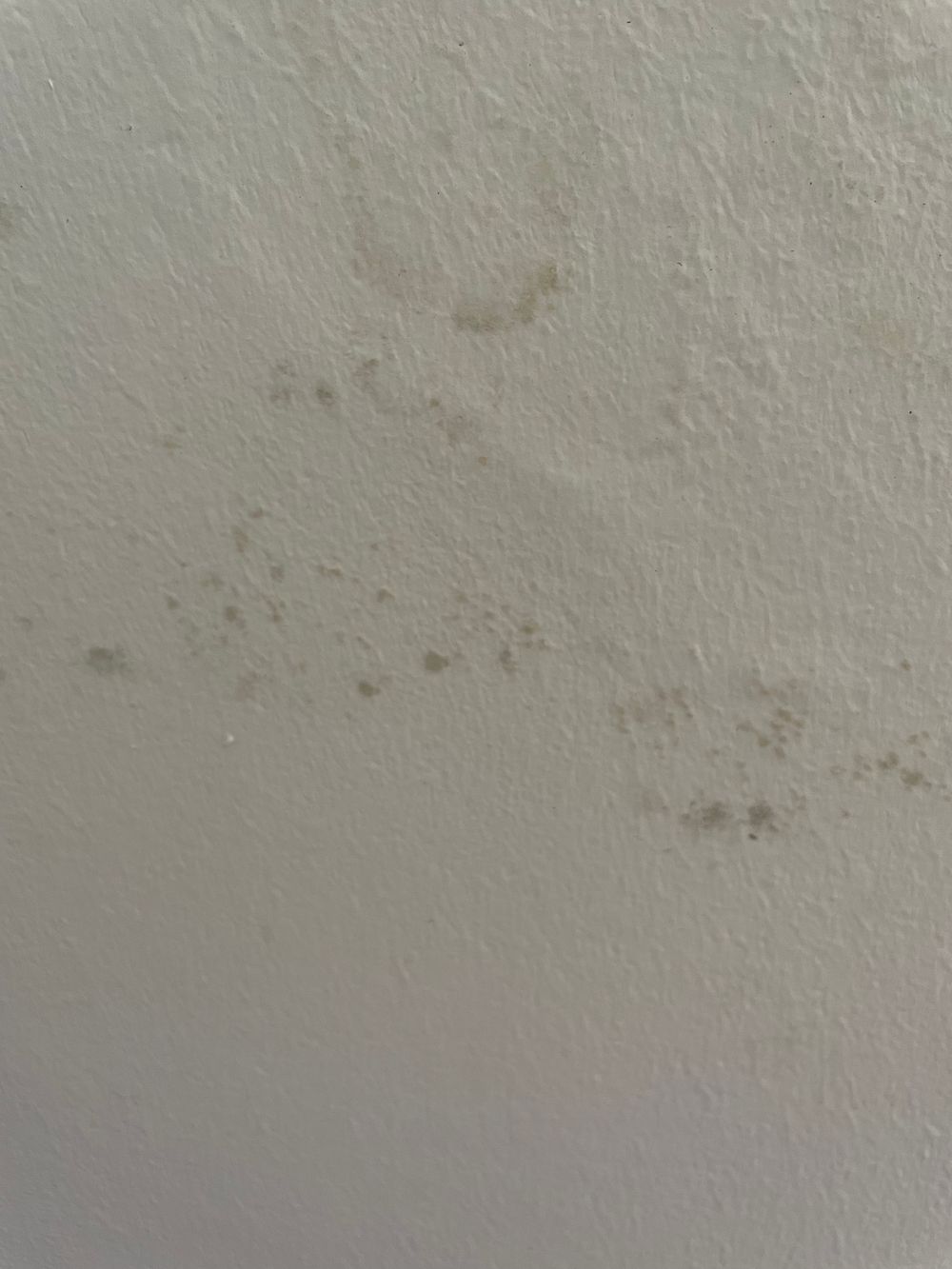
Mould is not the root problem. Moisture is.
You can clean mould, remove contaminated materials and treat affected surfaces, but if the underlying moisture problem remains, mould is likely to return.
Before starting any remediation work, it is essential to identify the cause.
Common sources of moisture include:
- Water leaks or plumbing failures.
- Roof leaks or water ingress through walls.
- Condensation caused by cold surfaces and thermal bridges.
- Poor ventilation and excessive indoor humidity.
- Rising damp or moisture trapped within building materials.
Treating mould without fixing the moisture source is like treating a symptom without addressing its cause.
A successful remediation project does not simply remove visible mould. It tackles the conditions that allowed it to grow in the first place.
Fix the moisture. Remediate properly. Prevent its return.
2. Control Relative Humidity

Removing mould is only half the battle. Keeping it from coming back means controlling the moisture that allows it to thrive.
Relative humidity (RH) is one of the key environmental factors to monitor.
When indoor humidity remains too high, surfaces can become damp enough to support mould growth — particularly in cold corners, behind furniture, around windows and inside poorly ventilated rooms.
How can you keep humidity under control?
- Aim for an indoor relative humidity of around 40–55%, adjusting to your home’s conditions.
- Ventilate regularly, especially after showering, cooking or drying clothes indoors.
- Maintain a stable indoor temperature to reduce condensation on cold surfaces.
- Use a digital thermo-hygrometer to monitor humidity rather than relying on guesswork.
- Consider a dehumidifier when ventilation alone is insufficient.
- Check hidden areas where moisture may accumulate, even when a room feels dry.
Remember: a single humidity reading does not tell the whole story. Outdoor conditions, cold surfaces, thermal bridges and hidden leaks can all influence mould risk.
The goal is not to make your home excessively dry. It is to maintain a stable, healthy indoor environment where mould is less likely to return.
Control the moisture. Protect your home. Breathe easier.
3. Ventilation Is Key
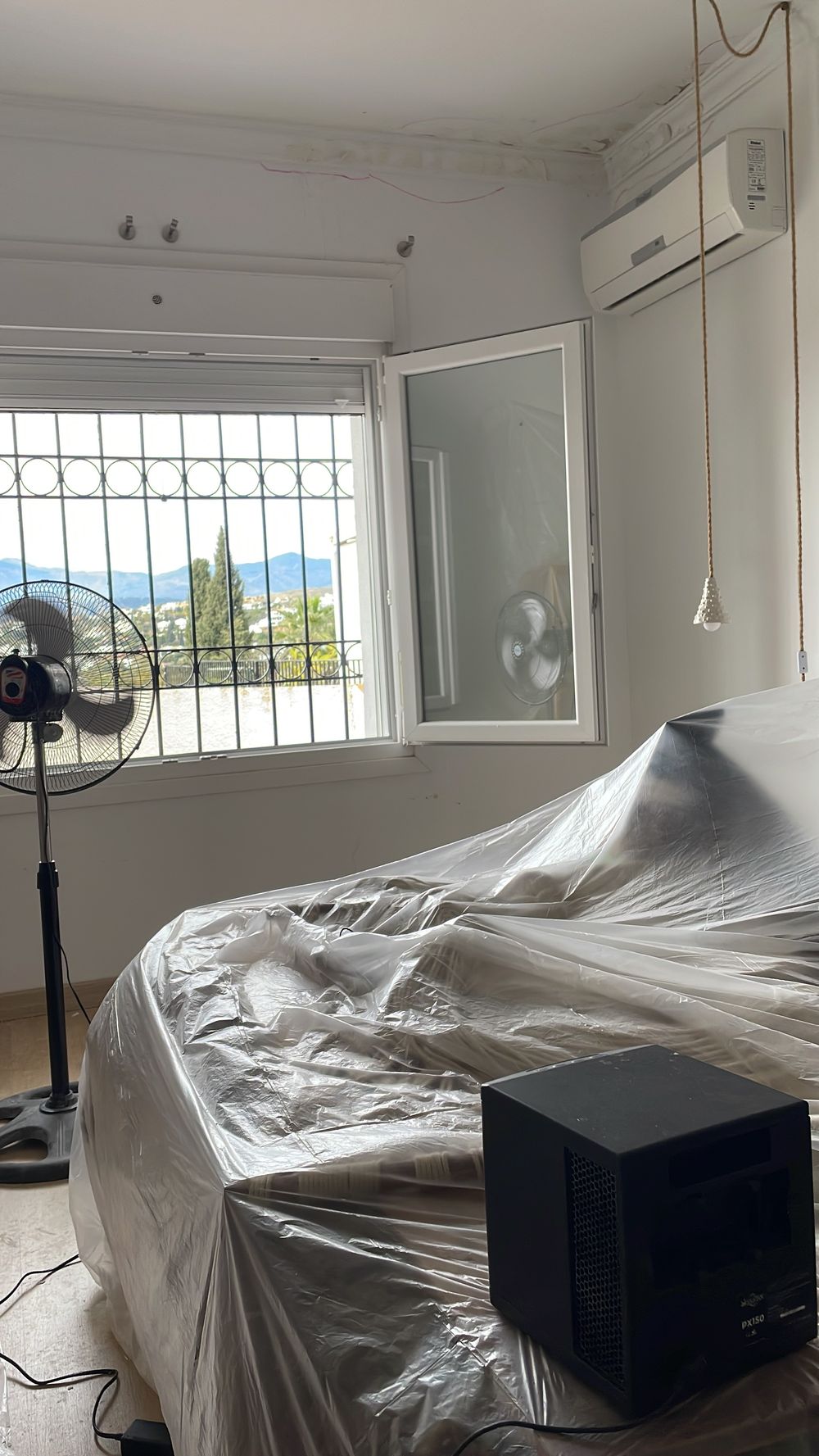
Your home needs to breathe — and so do its walls.
Every day, we release moisture into our homes through breathing, showering, cooking and even drying clothes.
Without adequate ventilation, this moisture can accumulate, increasing the risk of condensation and mould growth.
How can you improve ventilation at home?
- Air your rooms regularly. Open windows when outdoor conditions allow, creating cross-ventilation whenever possible.
- Ventilate bathrooms after showering. Use extractor fans and keep them running long enough to remove excess moisture.
- Control moisture while cooking. Use a cooker hood that vents outdoors, if possible.
- Don’t forget bedrooms. Overnight, we release moisture through breathing and perspiration. Ventilate your bedroom regularly, particularly in the morning.
- Allow air to circulate. Leave some space between furniture and cold external walls to reduce stagnant, damp microclimates.
However, ventilation is not always the answer on its own. When outdoor air is humid, polluted or hotter than indoors, opening windows may not help. And ventilation will not fix leaks, rising damp or other underlying moisture problems.
The goal is to remove excess moisture before it settles on surfaces and creates the conditions mould needs to grow.
Fresh air, smart ventilation and moisture control: three essential allies for a healthier home.
4. Trust Your Nose

Your nose may detect what your eyes can’t.
Not all mould is visible. Sometimes, the first warning sign isn’t a dark patch on the wall, but a persistent musty smell.
That earthy, damp odour may indicate hidden mould growth behind furniture, inside cupboards, beneath flooring, behind wallpaper or within wall cavities.
Where should you investigate?
- Behind beds, wardrobes and headboards.
- Around bathrooms, plumbing and concealed pipework.
- Near windows, cold corners and external walls.
- Inside cupboards, storage areas and poorly ventilated spaces.
- In rooms that have been closed up for weeks.
No visible mould does not mean no mould. And masking a musty smell with air fresheners will not solve the underlying problem.
Smell is a useful clue, not a diagnosis. A musty odour can have other causes, and some mould problems produce little or no detectable smell.
If the odour persists, investigate the source of moisture and inspect concealed areas where necessary. A professional assessment can help identify the problem before it becomes more extensive.
Don’t just look for mould. Learn to recognise the warning signs.
5. Dust Can Be a Reservoir
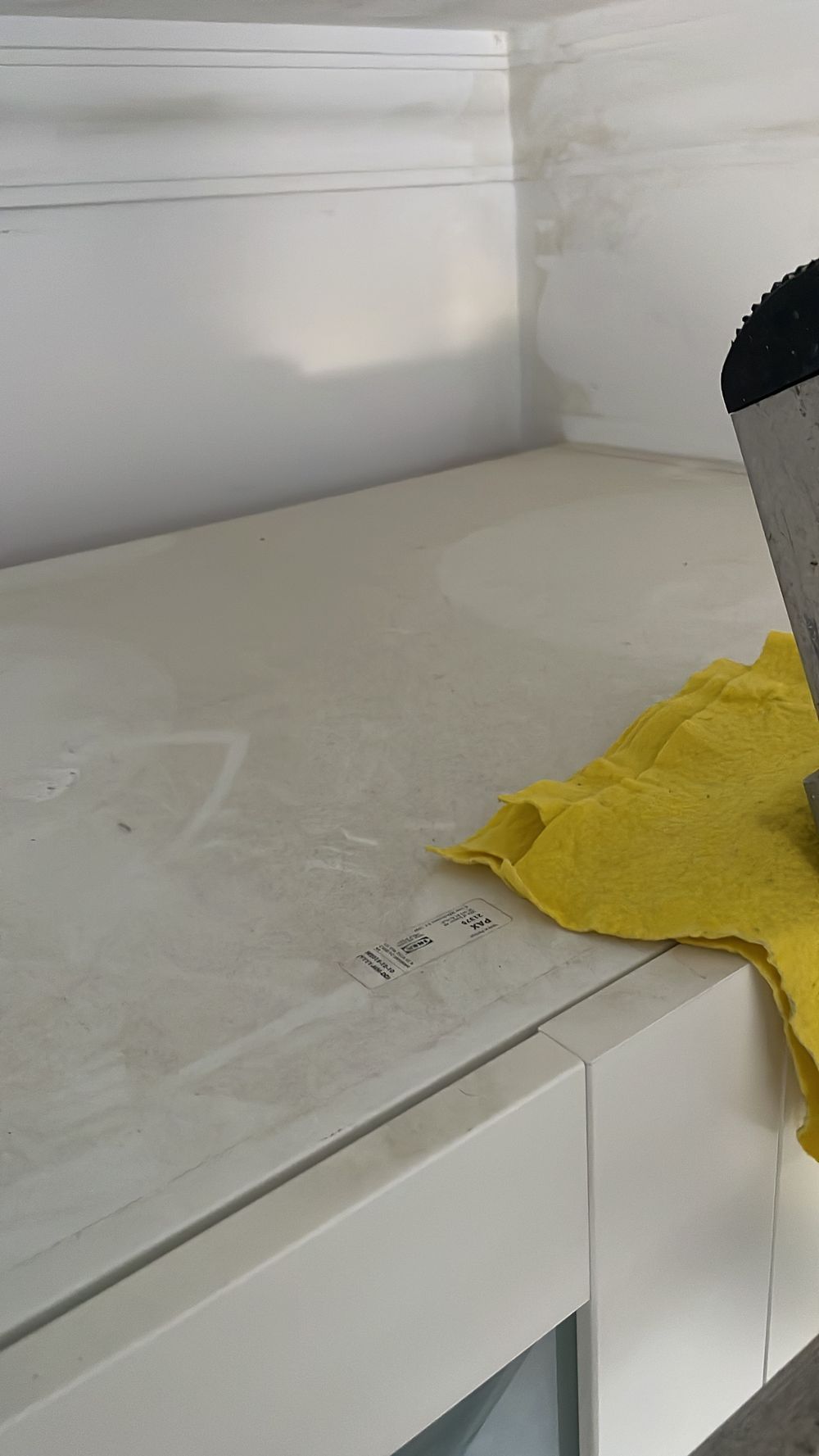
Dust is more than just a housekeeping issue.
It can accumulate organic matter, skin cells, fibres and other particles that provide nutrients for certain moulds. It can also trap mould spores and other biological particles circulating indoors.
When dust builds up, particularly in damp environments, it may contribute to the conditions that allow mould to persist and spread.
Where does dust accumulate unnoticed?
- Under beds and behind headboards.
- Behind wardrobes and large pieces of furniture.
- On ventilation grilles and inside air filters.
- In carpets, rugs and upholstered furniture.
- Inside cupboards and rarely disturbed storage areas.
What can you do?
- Remove dust regularly, including from hidden and hard-to-reach areas.
- Use a well-maintained vacuum cleaner with effective filtration, ideally HEPA filtration where appropriate.
- Damp-clean suitable surfaces to minimise the redistribution of dust into the air.
- Keep indoor humidity under control. Dust alone doesn’t cause mould, but moisture can turn a dusty surface into a more favourable environment for growth.
Cleaning dust helps reduce reservoirs of spores and other particles, but it will not solve an active mould problem if the underlying moisture source remains.
A healthier home starts with clean surfaces, controlled humidity and attention to the places we often overlook.
6.Dehumidifiers Can Make a Real Difference
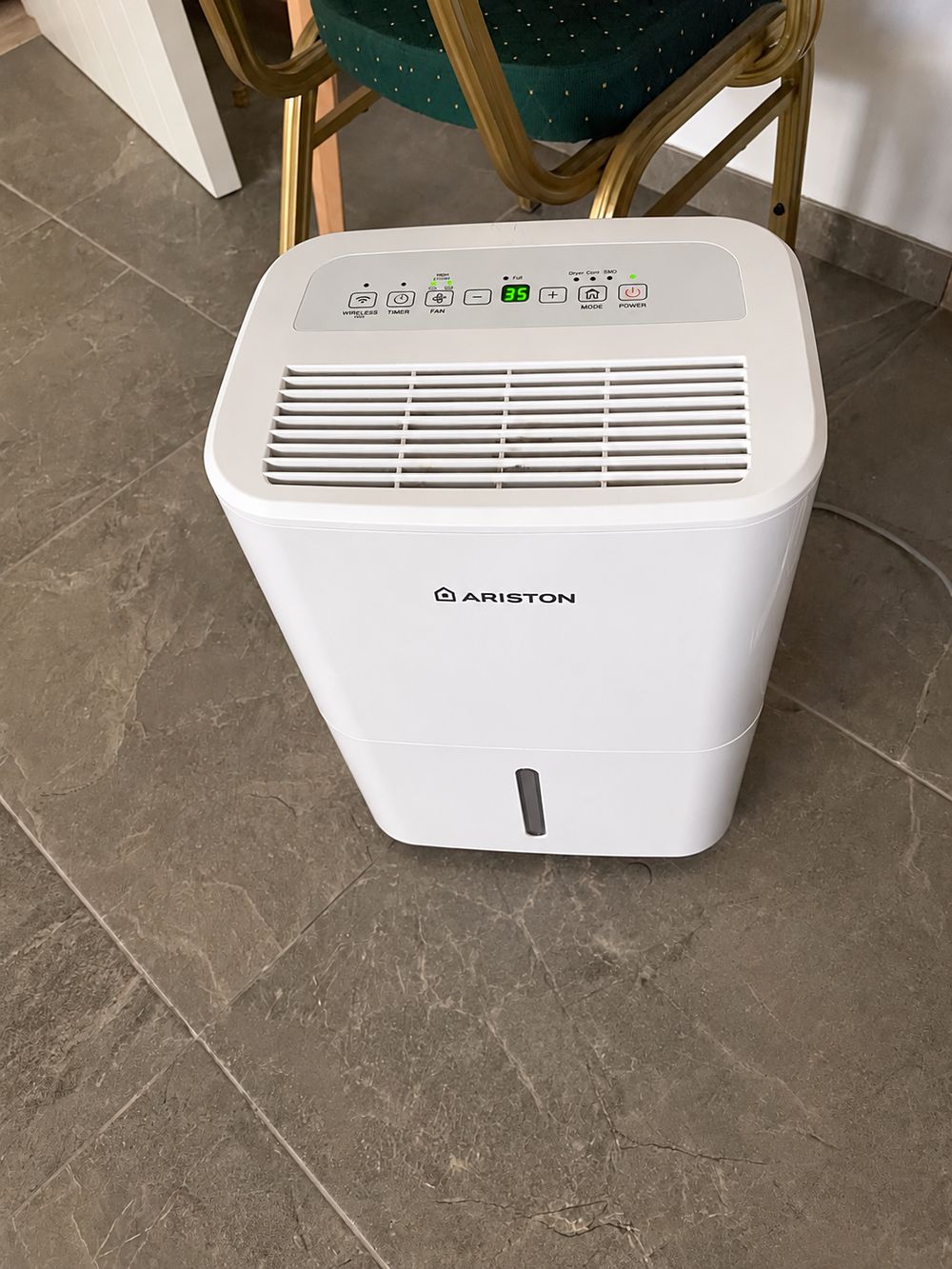
Mould doesn’t need a flood to thrive.
Sometimes, persistently high indoor humidity is enough to create the conditions it needs to grow.
A dehumidifier can be a valuable ally in keeping excess moisture under control, reducing condensation and helping prevent mould from returning after proper remediation.
When can a dehumidifier help?
- Bathrooms and kitchens: where everyday activities release large amounts of moisture.
- Bedrooms: where breathing overnight adds humidity, especially in poorly ventilated rooms.
- Damp or poorly ventilated spaces: where moisture tends to accumulate.
- Rooms prone to condensation: particularly when cold surfaces meet humid indoor air.
Monitor before you guess. Use a digital thermo-hygrometer to track relative humidity. A practical target for many homes is around 40–55% RH, although the ideal level depends on the building and outdoor conditions.
There is an important distinction: a dehumidifier is not a cure-all. It will not repair a leaking pipe, stop water entering through a wall or fix rising damp. Those problems must be addressed at their source.
Choose a unit suited to the room size and moisture load, keep it maintained and monitor the results.
Remember: the goal isn’t simply to remove mould. It’s to make your home less hospitable to its return.
7. Watch Your Home When You're Away

Many mould problems develop while you’re away for weeks.
Planning a long holiday or leaving your home empty for several weeks? There’s something you shouldn’t overlook: moisture doesn’t take a holiday.
A small leak, a ventilation problem or persistent condensation can go unnoticed when nobody is home. Meanwhile, in the right conditions, mould can begin to grow and spread before you return.
What can happen while you’re away?
- Undetected leaks: a slow plumbing leak can keep building materials damp for days or weeks.
- Trapped humidity: closed windows and inadequate ventilation can allow moisture to accumulate.
- Condensation: cold walls, corners and areas behind furniture can become favourable environments for mould growth.
- Hidden damage: mould may develop behind wardrobes, inside cupboards or beneath furniture without being immediately visible.
Before you leave home:
1. Fix any known leaks or moisture problems.
2. Check that ventilation systems are working properly.
3. Monitor indoor relative humidity with a thermo-hygrometer.
4. Avoid leaving wet laundry or other sources of moisture indoors.
5. Consider a dehumidifier with automatic humidity control and a safe drainage system if conditions warrant it.
6. Arrange for someone to check the property during an extended absence.
Don’t confuse prevention with simply closing the windows. Depending on the climate, building and season, a sealed home can trap moisture, while uncontrolled ventilation can introduce humid air.
The best time to prevent mould is before you leave — not when you discover the damage weeks later.
8. UV Light Is Not Enough

UV fluorescence alone cannot reliably identify mould.
UV lamps can be useful during a building inspection, but there’s a common misconception: not everything that fluoresces is mould, and not all mould fluoresces under UV light.
Certain moulds, metabolites and contaminated materials may show fluorescence under specific conditions. However, many everyday substances can fluoresce too, including detergents, cleaning-product residues, optical brighteners and other organic compounds.
So, what can a UV lamp actually tell you?
- It can reveal clues. Fluorescent areas may help identify locations that deserve closer inspection.
- It cannot confirm mould. Fluorescence alone cannot establish whether a substance is mould, identify the species or determine the extent of contamination.
- It cannot rule mould out. The absence of fluorescence doesn’t mean a surface is mould-free.
- Context is everything. Moisture readings, musty odours, visible signs, building history and a thorough inspection all help build a more reliable picture.
What about laboratory testing?
When confirmation or identification is necessary, appropriate sampling and laboratory analysis may help answer specific questions.
At Marbellambiental, we believe in using the right tools for the right purpose. UV light can be a useful investigative aid, but it should never replace a proper assessment.
Don’t mistake a clue for a diagnosis. Inspect, investigate and verify.
9. Laboratory Testing Isn't Always Necessary
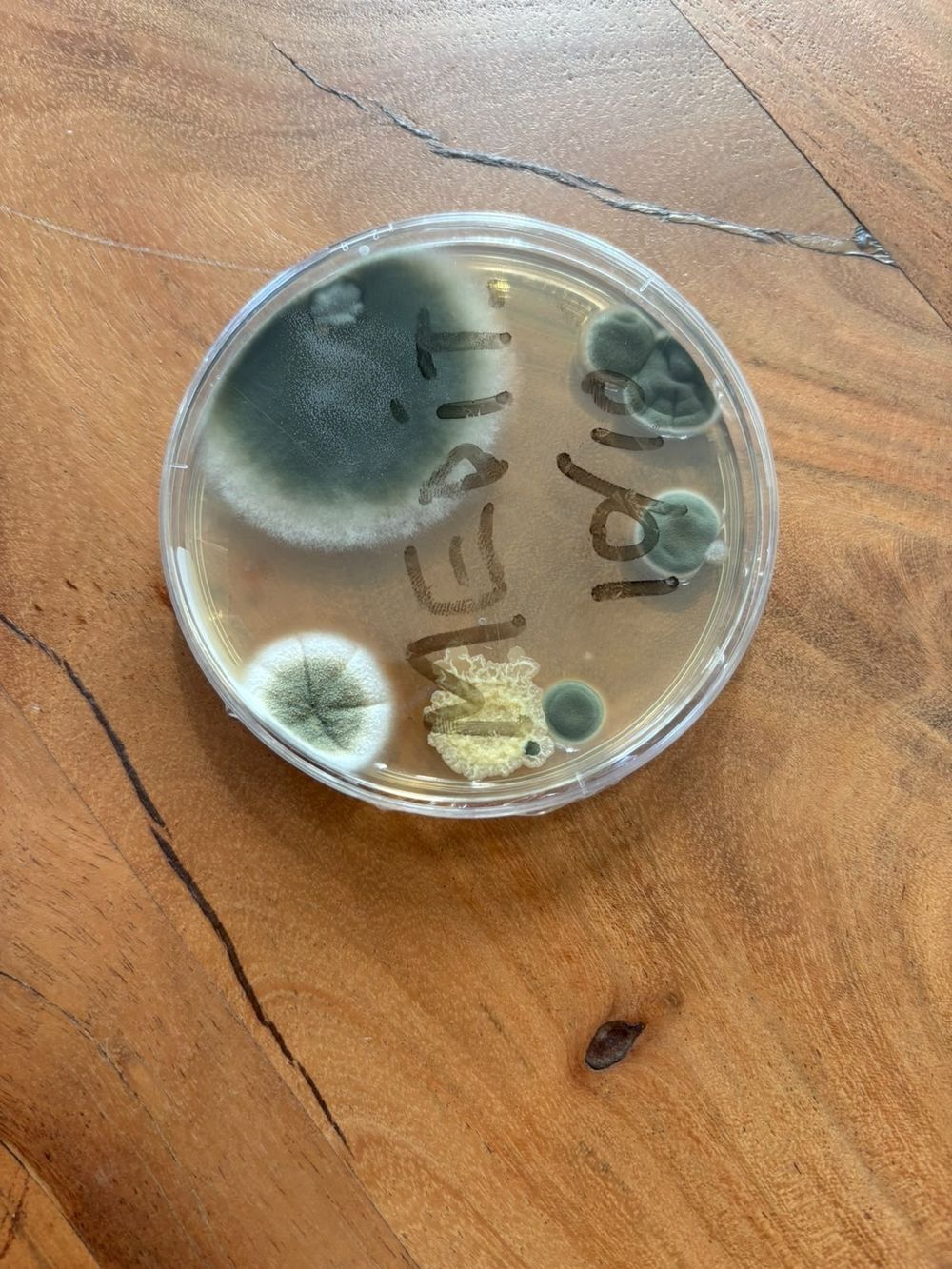
When it comes to mould, more testing doesn’t automatically mean better answers.
In many cases, a thorough visual inspection, a musty odour, evidence of moisture and a clear understanding of the building’s history can provide enough information to identify the problem and plan the next steps.
So, when is laboratory testing useful?
- When identification matters. If knowing which mould is present would influence the remediation strategy, laboratory analysis may be appropriate.
- When the situation is unclear. If the source or nature of a suspected contamination cannot be established through inspection alone, targeted sampling may help.
- When you need to answer a specific question. Testing can be useful when there is a clear objective, such as investigating suspected hidden contamination or assessing a particular indoor environment.
But testing has limitations.
Air samples provide a snapshot of conditions at a particular time and place. Results can vary with sampling location, activity, ventilation and environmental conditions.
A negative result doesn’t necessarily rule out hidden mould, while detecting spores doesn’t automatically establish an indoor mould problem.
The most important question isn’t always “Which mould is it?” but “Why is it growing, and how do we stop it?”
Correcting the moisture source and addressing contaminated materials are often more important than identifying every mould species present.
Test with a purpose. Interpret results in context. Remediate based on evidence.
10. PCO Can Help Improve Indoor Air Quality
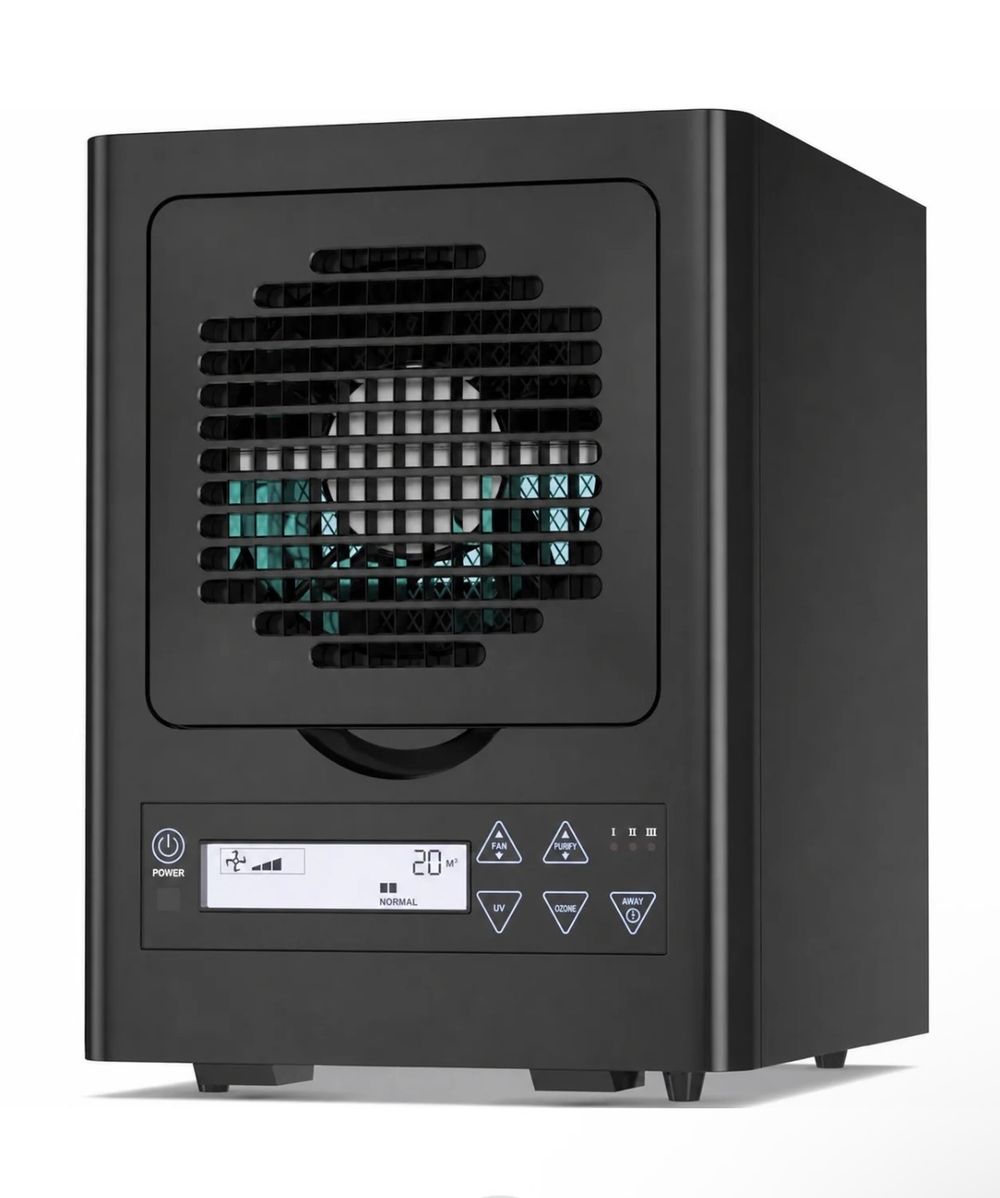
What if improving indoor air quality meant addressing not only what you can see, but also some of the contaminants you cannot?
Photocatalytic oxidation (PCO) is an air-treatment technology that uses light and a photocatalyst to trigger chemical reactions capable of breaking down certain airborne pollutants.
Depending on the technology and operating conditions, PCO systems may help reduce certain airborne biological contaminants, including mould spores and other microorganisms.
How does it work?
1. Light activates a catalyst. In many systems, UV light activates a photocatalyst such as titanium dioxide.
2. Reactive species are generated. These can react with certain airborne contaminants as they pass through the treatment system.
3. Air is treated as it circulates. Performance depends on factors such as airflow, contact time, catalyst design and the specific technology used.
An important distinction
PCO is not a substitute for proper mould remediation.
It will not repair leaks, eliminate moisture problems or reliably remove mould growing on contaminated materials.
Its effectiveness against airborne spores varies between systems, and some technologies may generate unwanted by-products, including formaldehyde or other oxidation products.
The best strategy is comprehensive: fix the moisture source, remove or remediate contaminated materials, control relative humidity and use air-treatment technology where it offers a demonstrable benefit.
Treat the source. Control the conditions. Improve the air.
Final Thoughts: A Comprehensive Approach to Mould Prevention
Mould prevention is not about applying a single product, buying an air purifier or cleaning visible stains.
It requires understanding the relationship between moisture, temperature, ventilation, building materials and indoor environmental conditions.
The ten truths covered in this article highlight one essential principle: successful mould prevention and remediation must address the underlying causes, not just the visible symptoms.
A proper approach may involve:
- Identifying and correcting moisture sources.
- Assessing relative humidity and condensation risks.
- Improving ventilation where appropriate.
- Inspecting hidden areas and potentially contaminated materials.
- Using suitable cleaning, filtration and remediation methods.
- Carrying out targeted laboratory testing when it serves a clear purpose.
- Monitoring indoor conditions to help prevent recurrence.
At Marbellambiental, we take a building-focused approach to indoor environmental quality. We investigate the conditions affecting your home, identify potential problems and help determine the most appropriate corrective measures.
Whether you are buying a property, dealing with persistent mould, planning a renovation or simply looking to create a healthier indoor environment, understanding the building is the first step.
A healthier home starts with better understanding.
Marbellambiental – Healthier Homes. Better Environments.

Aviso Legal | Política de Privacidad | Política de Cookies | Términos y Condiciones
Copyright © 2026 Javier H. Lissén | MarbellAmbiental.com
Todos los derechos reservados.